
This Year’s Top New Initiatives
Meet the top five initiatives our health system partners deployed most this past year. Each one is battle-tested, results-backed, and ready to safeguard your revenue cycle.
NETWORK ADOPTION AT A GLANCE
Underpay

Secondary Bad Debt

Last in Line Eligibility

Deceased Receivable & Bankruptcy Collections

Philanthropic Funding

The 2026 Safeguard Lineup
Ranked by network adoption
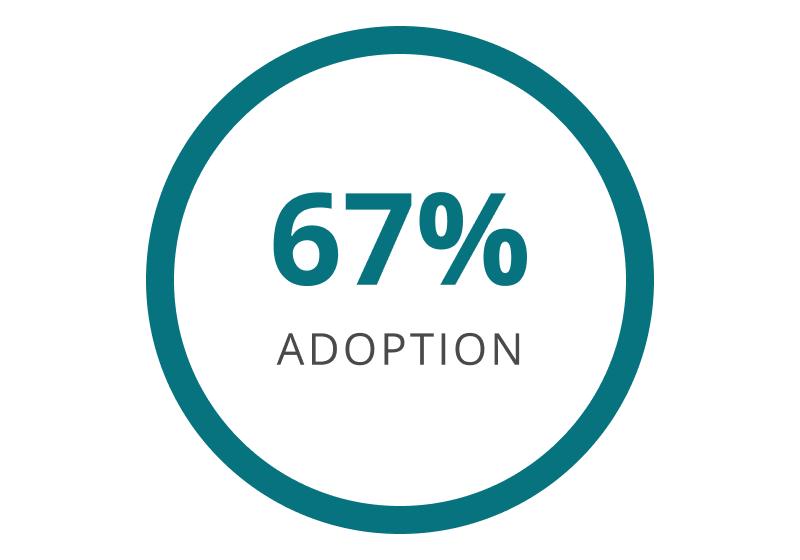

Underpay
The most widely adopted Safeguard in the Healthfuse network so far in 2026. If it’s not implemented at your health system, you’re likely leaving dollars on the table.
Total Network Collections (last 12 mos.):
$260,180,267
ROI: 5 to 1
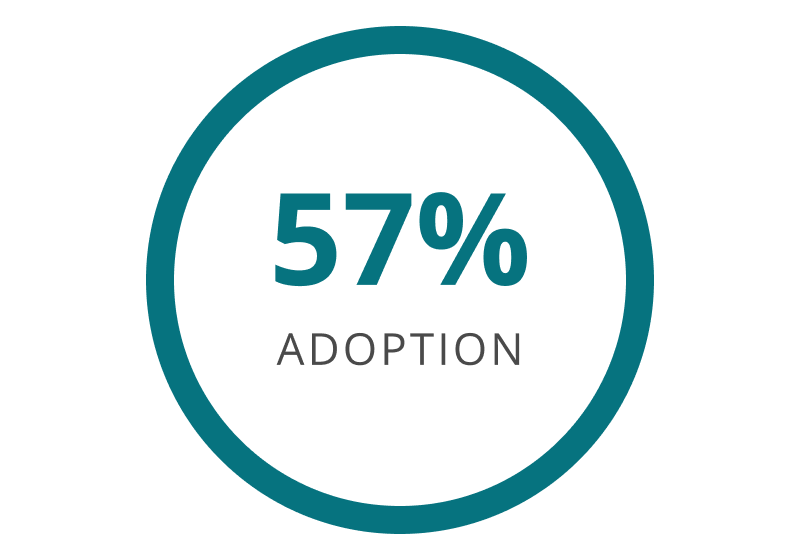

Secondary Bad Debt
The majority of the network has adopted Secondary Bad Debt — it’s quickly becoming a standard layer, not an optional one.
Total Network Collections (last 12 mos.):
$135,694,180
ROI: 6 to 1
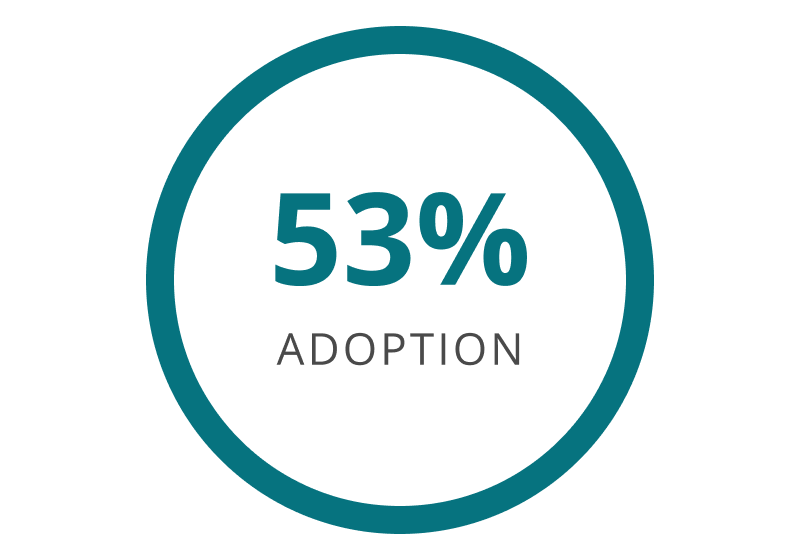

Last in Line Eligibility
Self-pay accounts often have undiscovered coverage — Medicaid, marketplace, or COB — that surfaces only with a final eligibility sweep. Catching it converts charity and bad-debt accounts into billable ones.
Total Network Collections (last 12 mos.):
$162,660,978
ROI: 7 to 1
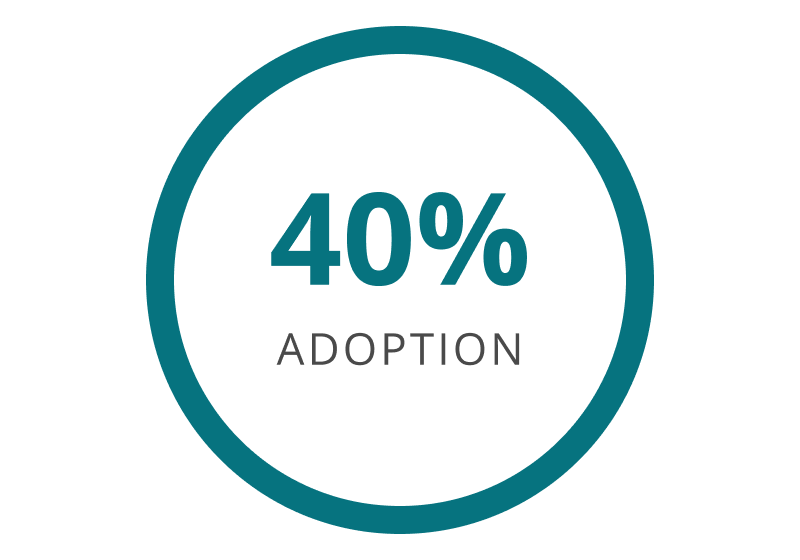

Deceased Receivable & Bankruptcy Collections
Estate and bankruptcy claims have strict filing windows and specialized workflows that most internal teams aren’t staffed for. Missing the window means writing off otherwise collectible balances.
Total Network Collections (last 12 mos.):
$17,828,344
ROI: 6 to 1
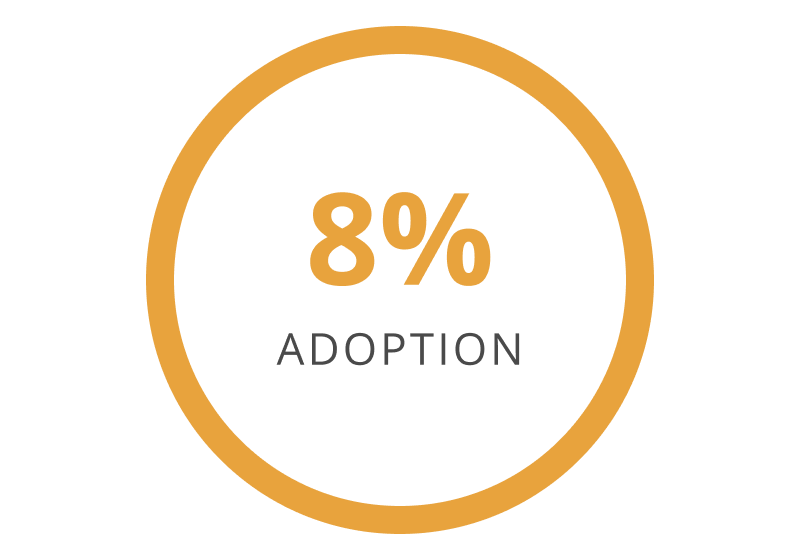

Philanthropic Funding
Foundation and donor-directed funds can offset patient balances that would otherwise become charity care — improving both margin and patient experience. Most systems have access to these dollars but no process to apply them at the account level.
Total Network Collections (last 12 mos.):
$5,100,341
ROI: 4 to 1
*Adoption rates shown represent only vendor strategies managed by Healthfuse; client-managed strategies are excluded.
Not sure which initiatives would move the needle for your health system?
Let our team run a Revenue Cycle Gap Analysis to pinpoint the highest-yield opportunities and uncover net-new collections you’re leaving on the table.